Yellow Tang Fish: A Designer's Honest Review for Real Projects
As an experienced embroidery designer who frequently browses Creative Fabrica for new assets, I often find myself pausing before downloading a file. The market is flooded with generic patterns, but finding a design that truly balances artistic charm with technical viability for commercial use can be challenging. Recently, I came across the Yellow Tang Fish embroidery design and decided to put it through the wringer. My goal was not just to admire the image, but to determine if this embroidery file could stand up to the rigors of real-world production, from custom apparel to handmade gifts.
First Impressions: Visual Mood and Stitch Personality
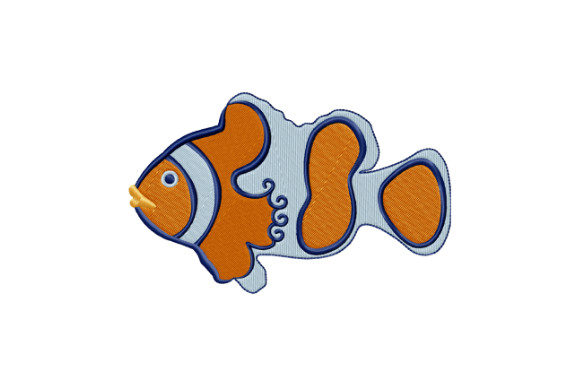
The first thing that catches the eye about the Yellow Tang Fish is its vibrant energy. Unlike many aquatic designs that lean towards realistic shading or heavy detail, this piece offers a clean, graphic look that feels perfectly suited for modern craft aesthetics. When viewing the digital preview, the visual mood is cheerful and bright, making it an instant candidate for spring collections or nautical-themed projects.
In terms of stitch personality, the design appears to utilize a mix of satin stitches for the outlines and fill stitches for the body, which typically ensures good coverage without excessive bulk. For an embroidery designer, the immediate question is always about readability at smaller scales. The simplicity of the shape suggests that even in a small hoop size, the key features of the fish will remain distinct. This is crucial for items like caps or patches where space is limited. The design feels less like a complex illustration and more like a decorative icon, which increases its versatility for various applications.
Real-World Application: From Tote Bags to Nursery Decor
I evaluated the potential of the Yellow Tang Fish across several common product categories. One of the most promising uses is on tote bags. The bright yellow color pops beautifully against canvas backgrounds, whether natural, black, or navy. It transforms a plain bag into a statement piece without overwhelming the wearer. Similarly, for sweatshirt embroidery, the design works well as a chest logo or a centered back print. The bold lines would hold up well against the texture of fleece or cotton blends.
Beyond apparel, I see significant value in using this design for baby items and nursery decor. Parents often seek soft, friendly imagery for baby blankets and pillow covers. The Yellow Tang Fish fits this niche perfectly, offering a playful touch that appeals to both children and adults. It also has strong potential for kitchen towels and aprons, adding a splash of color to home goods. For sellers looking to expand their Etsy listings or create seasonal handmade gifts, this design serves as a reliable asset that can be adapted for multiple product types.
For those creating embroidered patches or boutique merchandise, the clean edges of the design are a major plus. Patches require clear definition so they can be easily ironed or sewn onto jackets and backpacks. If the file includes applique options, it opens up even more possibilities for adding texture and dimension to the final product. Whether you are a digital product seller creating printable mockups or a physical maker selling finished goods, having a versatile design like this streamlines your workflow.
Practical Considerations for Commercial Embroidery
While the aesthetic appeal is high, the true test lies in execution. When working with any machine embroidery design, practical constraints must be carefully managed. For instance, if you plan to use this on stretchy fabric like jersey or spandex, proper stabilizer selection becomes non-negotiable. Without adequate support, the tension of the stitch density could cause the fabric to pucker, ruining the professional look of the Yellow Tang Fish.
Another critical factor is the surface area. Curved cap surfaces present a unique challenge. While the design might look great on a flat screen, transferring it to a curved hat requires careful hooping techniques. You must ensure the curve of the cap matches the curvature of the digitized path to avoid distortion. Additionally, if you intend to produce these items for frequent washing, such as kitchen towels or workwear, you need to verify that the stitch count is sufficient to withstand friction. Dense areas should be checked to ensure they do not become too thick, which could lead to needle breakage or thread bunching.
When working with dark fabrics, the contrast provided by the yellow thread is excellent, but you may need to adjust the underlay or add a specific background stitch to prevent the dark fabric from showing through the lighter threads. Conversely, on light fabrics, the brightness of the design ensures high visibility. However, always remember to inspect small details after stitching. Sometimes, tiny running stitches or fine lines can get lost in the fabric weave if the tension is not perfectly calibrated.
Impact on Product Value and Brand Consistency
Using a well-executed design like the Yellow Tang Fish directly influences buyer trust and perceived value. Customers buying handmade products expect a level of quality that reflects the care put into the creation process. A crisp, well-centered embroidery of a tropical fish elevates a simple tote bag into a premium item. It enhances the visual appeal for product photography, making your listing images stand out in a crowded marketplace.
Consistency is key for building a brand. If you sell a collection of ocean-themed goods, having a cohesive set of designs helps establish a recognizable identity. The Yellow Tang Fish fits naturally into such a theme, allowing you to create matching sets of pillows, shirts, and accessories. Furthermore, the cheerful nature of the design makes it highly giftable, increasing its potential as a personalized gift for birthdays, vacations, or housewarmings. When customers receive a high-quality embroidered item, they are more likely to engage with your brand again.
Essential Technical Notes Before You Start
Before committing to a large production run, I strongly advise testing the design on scrap fabric. This allows you to check thread color contrast and confirm that the hoop size accommodates the design without cutting off any elements. Pay close attention to the stitch density; if the fill areas are too dense, the fabric may stiffen excessively, which is undesirable for clothing but acceptable for rigid items like patches.
Always review the file details and licensing terms on the Creative Fabrica product page before selling finished items. Ensure you understand the difference between personal and commercial use rights. If the design includes optional elements, such as the stitch box mentioned in some descriptions, verify whether the outer box color is part of the design or a placeholder. In most cases, unless specified as part of the artwork, the frame color may vary, so plan your layout accordingly.
If you are unsure about the specific file formats or machine compatibility, consult the product description carefully. Different machines handle different file structures, and knowing exactly what you are working with prevents costly errors. Finally, compare light and dark fabric mockups to visualize how the Yellow Tang Fish will appear in different contexts. By taking these practical steps, you ensure that your final product meets the high standards expected by today's discerning crafters and consumers.