Squirrel in Forest Redwork Embroidery Review
First Impressions of Squirrel in Forest Redwork
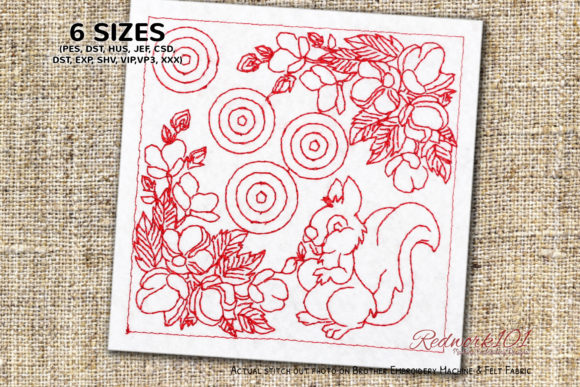
At first glance, Squirrel in Forest Redwork feels like a gentle invitation into the heart of nature. The design has a soft, almost whimsical vibe that’s perfect for woodland-themed projects. The squirrel is rendered with enough detail to feel lively but not so intricate that it loses its charm on simpler fabrics. It’s a design that whispers rather than shouts, making it ideal for those who want to add a touch of forest life without overwhelming the piece.
The layout is balanced, with the squirrel centered and surrounded by subtle leaf motifs that hint at the surrounding forest. This gives the design a sense of place and story, which is great for custom apparel or handmade items that aim to tell a visual tale. The simplicity of the redwork style means it’s versatile—whether you’re stitching on a tote bag or a baby onesie, this design feels right at home.
Real-Life Application: Custom Tote Bag Project
Let’s imagine using Squirrel in Forest Redwork on a custom embroidered tote bag. As someone who regularly creates bespoke items for clients, I’d consider how the design would translate onto fabric. The squirrel is large enough to be visible from a distance but not so big that it feels cramped on a medium-sized tote. The leaf accents around it provide a nice framing effect, adding depth without complicating the overall look.
I’d also think about the fabric choice. A cotton canvas tote would work well, as it allows the stitches to show clearly. If I were to use a lighter-colored fabric, the redwork would pop nicely, while darker fabrics might require a slight adjustment in thread color or stabilizer to ensure clarity. For a more rustic look, a linen tote could be an excellent match, giving the finished product a handcrafted feel.
For a client looking for a personalized gift, this design would be a hit. It speaks to nature lovers, outdoor enthusiasts, and even new parents who appreciate subtle, meaningful details in baby items. It’s a safe bet for a wide audience and doesn’t come off as too niche or overly trendy.
Performance in Real Embroidery Situations
Squirrel in Forest Redwork shines in a variety of embroidery applications. On sweatshirts or t-shirts, the design maintains its character without being too busy. When used as a patch, it adds a charming accent to jackets or backpacks. For baby clothes, the design is both cute and appropriate, avoiding anything too detailed that might distract from the garment’s function.
In commercial embroidery settings, this design can be used for boutique branding or small shop merchandise. It works well on aprons, pillow covers, and even kitchen towels, where a touch of nature can elevate the product's appeal. The design also lends itself to holiday gifts, especially around fall or winter, when woodland themes are popular.
One thing to note is that while it’s a great all-rounder, it may not be the best fit for every project. For instance, if you're working with very small hoop sizes or stretchy fabrics like knits, some adjustments may be necessary. The stitch density should be reviewed to ensure it doesn’t cause puckering or distortion, especially on delicate materials.
Where to Use with Caution
While Squirrel in Forest Redwork is adaptable, there are a few scenarios where extra care is needed. For example, using it on dark fabrics may require testing with different thread colors to maintain visibility. On textured or thin fabrics, proper stabilizer is crucial to prevent shifting during stitching. Also, when applying it to curved surfaces like caps or hats, the design needs to be adjusted for the shape to avoid distortion.
If the project involves frequent washing, such as with baby clothes or aprons, the embroidery should be securely stabilized and tested for durability. Additionally, any decorative accents or tiny lettering in the design need to be inspected closely to ensure they remain clear after multiple washes.
Design Notes for Embroidery Professionals
Before committing to a project, I always recommend testing Squirrel in Forest Redwork on scrap fabric first. This helps assess how the design interacts with the chosen fabric texture and thread colors. Checking the stitch density is also important, especially if the design will be used on garments that undergo regular wear.
Reviewing the hoop size required for the design ensures that it fits comfortably within your machine setup. Inspecting small details like the squirrel’s facial features and leaf patterns is essential to confirm they remain clear and defined. Testing the design in black and white mockups can help visualize how it will appear on different fabric backgrounds.
When considering commercial use, make sure to check licensing terms before selling finished products or digital assets. Confirming whether the design works for both personal and commercial projects is key to avoiding any legal issues down the line.
Finally, using proper stabilizer and ensuring the design aligns with your brand’s aesthetic will help maintain professionalism and customer trust. Whether you're an Etsy seller, craft fair vendor, or small shop owner, Squirrel in Forest Redwork offers a reliable, visually appealing option for your embroidery projects.