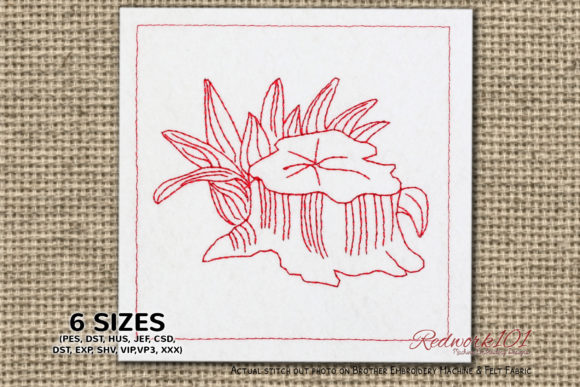
Isolated Tree Roots Redwork
I have spent years curating designs for the bustling aisles of weekend craft fairs, and I know that a single image on a table can make or break a sale. When I first pulled up Isolated Tree Roots Redwork, I immediately saw its potential to anchor a rustic, nature-inspired booth. As an experienced designer, my job is not just to look at the stitches but to visualize how this piece will perform under the bright lights of a vendor tent, hanging on a tote bag, or stitched onto a linen apron. This design feels distinctly farmhouse yet modern, with a clean silhouette that screams "handmade quality." It is exactly the kind of machine embroidery design that stands out against a sea of mass-produced goods.
The First Impression: Rustic Elegance and Market Appeal
The term "Redwork" usually implies a classic, single-color aesthetic that relies on line art rather than shading. Isolated Tree Roots Redwork captures this perfectly. The isolation of the roots suggests a focus on structure and earthiness, making it ideal for sellers who want to evoke feelings of stability, growth, and connection to the land. Unlike busy floral patterns that might get lost in a cluttered display, this design offers a strong focal point. It feels bold enough to be seen from three feet away but delicate enough to be considered a premium accent.
For an Etsy seller or boutique maker, this visual clarity is gold. Customers often scroll quickly through digital listings; a crisp, isolated root system cuts through the noise. Whether you are selling to the forest enthusiast or the modern homesteader, this embroidery file bridges the gap between traditional craft and contemporary decor. It is not overly cute or whimsical; instead, it carries a sense of grounded sophistication that elevates the perceived value of any finished product.
Product Potential: Where This Design Shines
In my experience preparing for a craft fair, I test designs across a variety of surfaces to see where they truly sing. Isolated Tree Roots Redwork is incredibly versatile, but some applications will yield higher sales than others.
- Tote Bags and Market Bags: This is the bread and butter of our industry. A large, centered placement on a canvas tote bag allows the intricate details of the roots to breathe. The high contrast of redwork on natural canvas creates a timeless look that appeals to shoppers looking for durable, stylish carryalls.
- Aprons and Tea Towels: For the kitchen-focused crafter, this design transforms a simple utility item into a statement piece. On a flour sack towel, the roots look like an artistic print. On a denim or twill apron, it adds a touch of woodland charm without overwhelming the garment.
- Embroidered Patches and Caps: The isolated nature of the design makes it perfect for iron-on patches. You can create a small, dense patch for a leather jacket or a larger one for a canvas backpack. However, when adapting this for curved cap surfaces, you must ensure the hoop size accommodates the curvature without distorting the root lines.
- Pillow Covers and Home Decor: If you are selling home goods, placing this design on a neutral pillow cover creates an instant "forest" theme. It pairs beautifully with linen or cotton blends, adding texture and depth to a minimalist living space.
- Small Pouches and Gift Items: For lower-priced impulse buys, stitching a smaller version of Isolated Tree Roots Redwork on fabric pouches or zippered cases works well. These items are easy to produce in batches and serve as excellent add-ons at the checkout counter.
Production Practicality and Visual Impact
When evaluating a digital embroidery file for commercial use, I always ask: "Can I stitch this efficiently?" The answer for this design seems to be yes. The redwork style typically means fewer fill stitches compared to complex pictorial designs, which translates to faster production times and less thread consumption. This efficiency is crucial for a small shop owner trying to maximize profit margins on a craft fair product.
Photographing this design for online listings is straightforward. Because the roots are isolated, they photograph cleanly against almost any background. Whether you are creating a printable mockup for your website or taking photos for social media, the clean lines allow the viewer to focus entirely on the craftsmanship. Furthermore, the design feels highly repeatable. You can easily create a collection by varying the thread colors—perhaps using deep greens, warm oranges, or even black for a more dramatic effect—while keeping the core design consistent for brand recognition.
Critical Considerations for the Maker
While the potential is high, there are practical hurdles every embroiderer must navigate before hitting the sell button. Isolated Tree Roots Redwork requires attention to detail to ensure it looks professional in person.
Stitch Density and Small Details: Even though redwork is generally open, the tips of the roots can sometimes be fine. If you attempt to shrink the design too much for a tiny accessory, those delicate lines may merge or become indistinguishable. Always verify the minimum recommended size before cutting fabric. Additionally, check the stitch density; if the area is too dense, it might pucker the fabric, especially on lightweight materials like tea towels.
Fabric and Thread Contrast: The description notes that the color of the outer box is optional and varies. This is a vital clue. To maintain the integrity of the design, you must choose a fabric color that provides sufficient contrast with your thread. Dark fabrics can swallow light redwork threads, while white fabric might show off the design best. Testing on scrap fabric is non-negotiable. You need to see how the thread colors interact with the specific fabric texture you plan to use.
Stabilization and Hooping: Proper stabilization is key to preventing distortion. For items like caps or textured towels, you may need additional backing to support the weight of the stitches. Ensure your hoop size matches the design dimensions to avoid cropping essential elements. If the design includes a box element, confirm whether that box is part of the actual file or a separate layer you need to manage.
Final Verdict for the Creative Entrepreneur
Isolated Tree Roots Redwork is a standout asset for any handmade business. It balances aesthetic appeal with production efficiency, making it a smart choice for both new Etsy sellers and seasoned market vendors. By focusing on high-quality finishes and strategic product placement, you can turn this simple root motif into a signature element of your brand.
Before launching your batch, remember to review the specific technical details provided with the file, such as the exact stitch count and license terms. Confirm that you have the right stabilizer and thread choices to bring out the best in the design. With careful execution, this design will not only look great in your booth but will also tell a story of craftsmanship that customers are eager to take home.